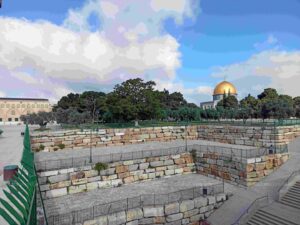
Mervan Masjid Emergency Exit Doors

The Gates of al-Masjid al-Aqṣā: The Story of the “Giant Gates”
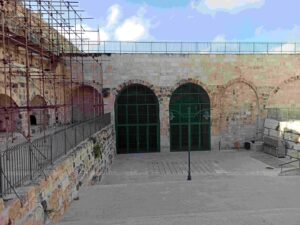
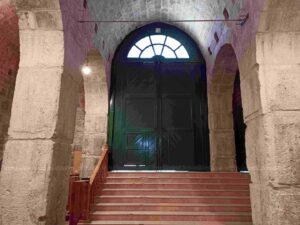
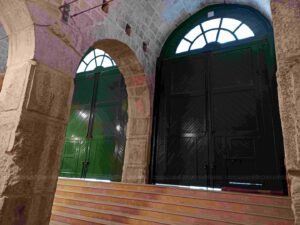
These gates are located on the southeastern side of al-Masjid al-Aqṣā, directly adjacent to the city wall. The gates of the Marwān Mosque were reopened on 4 December 1999 through the determined efforts of Sheikh Raʾid Ṣalāḥ, the leader of the Islamic Movement in Palestine. The story of how such a project was permitted — despite the occupation authorities having refused for years to allow even the smallest nail to be driven into the sanctuary — is remarkable.
In preparation for the visit of the Pope from the Vatican, the occupation administration expressed concern that the large crowds accompanying him might create dangerous overcrowding. During their planning process, they mentioned the need to create a small emergency exit in this area. Sheikh Raʾid Ṣalāḥ and his companions seized this opportunity, launching a public campaign to turn the proposal into reality. When the issue was raised at a press conference attended by international media, the administration was forced into a position from which it could not retreat and granted permission for the construction of a door measuring approximately 1 x 2 meters.
The defenders of al-Aqṣā made strategic use of this rare opportunity by beginning construction on a Thursday, ensuring that they could work throughout the 2.5-day official weekend without inspection or interference. They worked tirelessly and with great dedication: the trees outside the planned emergency doors were uprooted, the soil was excavated, and seven buried arches were uncovered. Two of these arches were completely opened, while a third was partially cleared.
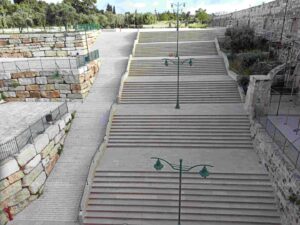
The massive gates that emerged from this work were given the name Bawwābāt al-Amlāqah (“The Giant Gates”), and the beautiful staircase leading from the courtyard to the gates became known as Mudarraj al-Ikhwān (“The Brothers’ Staircase”).
Because of this initiative, Sheikh Raʾid Ṣalāḥ and two of his companions were imprisoned by the occupation authorities for two years — a testimony to their sacrifice and steadfastness in serving al-Masjid al-Aqṣā.