

Al-Masjid al-Aqṣā During the ʿAbbāsid
Al-Masjid al-Aqṣā During the ʿAbbāsid Era (750–868 CE)
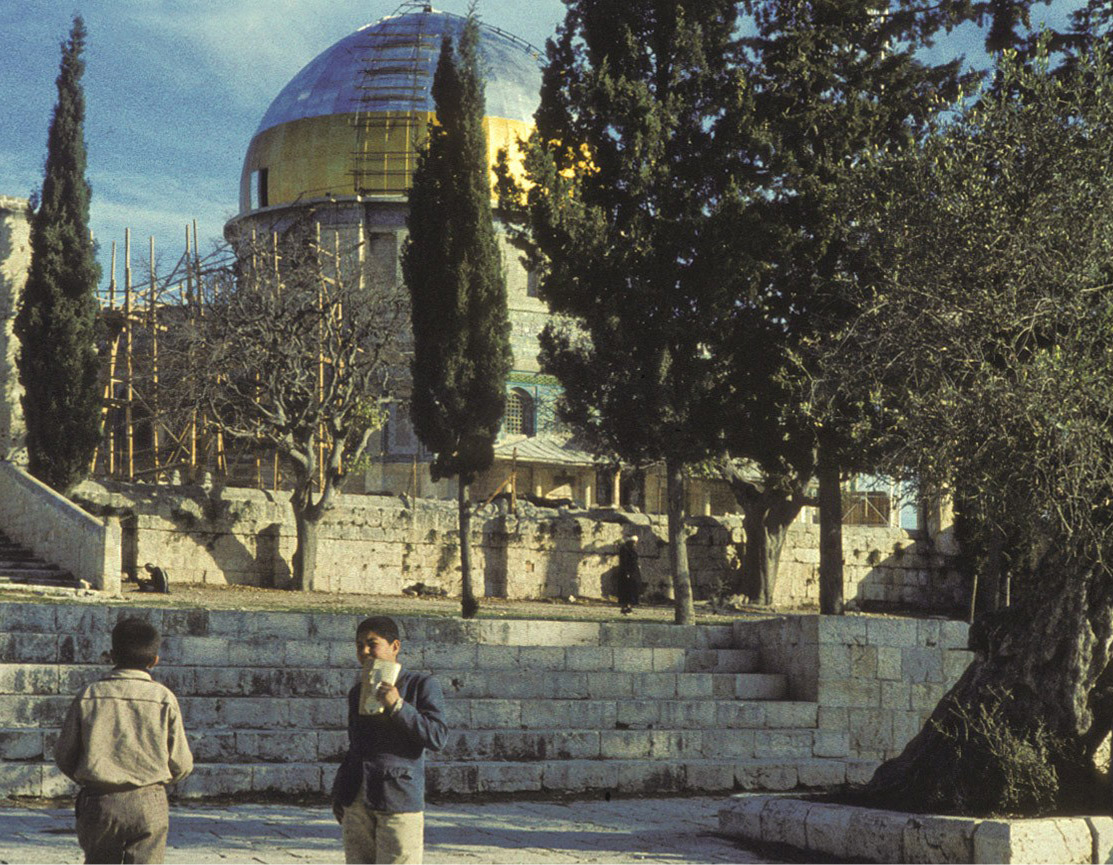
Following the fall of the Umayyads, the ʿAbbāsid period began in Islamic history, lasting from 132–358 AH (750–868 CE for the early phase relevant here). Only four years after the establishment of ʿAbbāsid rule, a comprehensive restoration project was launched throughout the entire al-Masjid al-Aqṣā sanctuary. All structures that had been damaged by the earlier earthquake were rebuilt and repaired under the orders of the second ʿAbbāsid Caliph, Abū Jaʿfar al-Manṣūr.
During the reign of his son, Caliph al-Mahdī ibn Abī Jaʿfar al-Manṣūr, the buildings of al-Masjid al-Aqṣā were further expanded, and the program of construction and revitalization continued uninterrupted. This era represented not only physical renewal but also the consolidation of al-Quds as a vibrant center of religious, intellectual, and cultural life under the ʿAbbāsids.
The period of Caliph Hārūn al-Rashīd was particularly distinguished for its high level of civilization and the spirit of tolerance that permeated all levels of government. In 169 AH, by order of the caliph, the Byzantine Emperor Charlemagne was permitted to restore Christian churches in Jerusalem, and funds were even sent to pay the builders. Moreover, every Christian pilgrim visiting the holy sites of al-Quds was guaranteed personal safety under the protection of the Islamic state until their return.
Christian chronicles from that era also speak at length of Hārūn al-Rashīd’s compassion, generosity, and fairness, portraying him as a ruler who not only maintained justice but also actively supported peaceful coexistence among the diverse communities of the Holy City.