

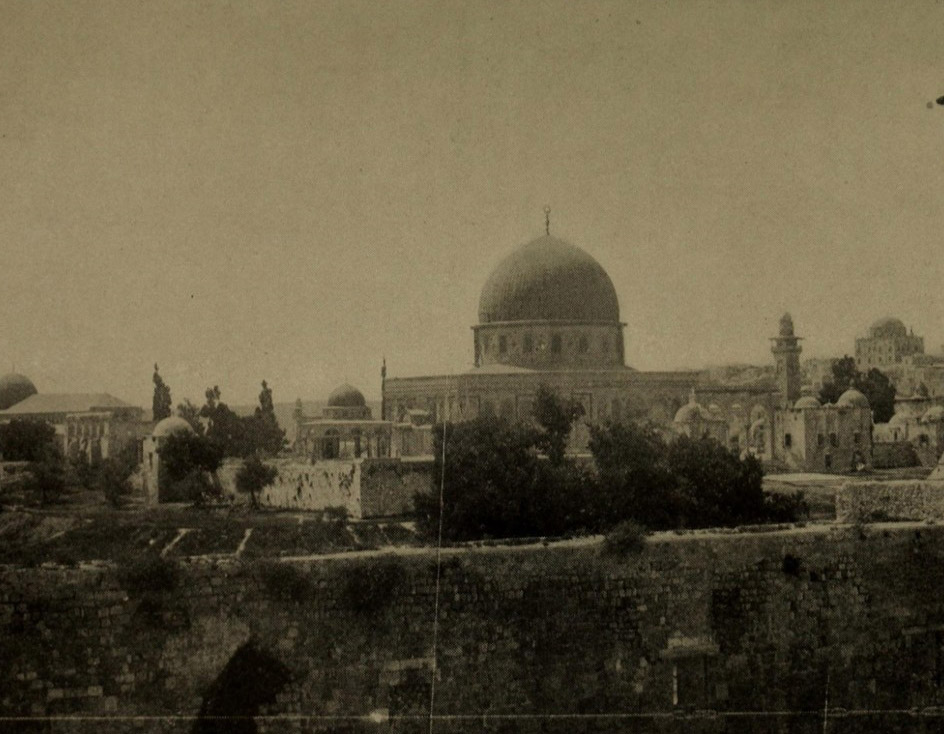
The Mamluks and al-Masjid al-Aqṣa
The Mamluks and al-Masjid al-Aqṣā (1250–1516 CE)
After the fall of the Ayyubids, the rule of Miṣr (Egypt) and al-Shām (Greater Syria) passed to the Mamluks in 1250 CE. The Mamluk period was marked by persistent struggles against the Mongols and the Crusaders, culminating in two decisive moments: the great victory at the Battle of ʿAyn Jālūt in 1260, which halted the Mongol advance, and the final expulsion of the Crusaders from Palestine in 1291.
Sultan al-Ẓāhir Baybars personally visited Jerusalem in 1265, a gesture reflecting the city’s centrality in the Muslim imagination. Many of the architectural works we will mention below are understood to have been commissioned during his second visit or shortly thereafter.
One of the most significant of these is the Ribāṭ al-Baṣīr, located to the north of the path leading to al-Masjid al-Aqṣā from the Nāẓir Gate. It was built in 1267 CE, and a marble plaque inscribed in the elegant naskh script of the early Mamluk period is set above its gate. The inscription reads:
“In the name of Allāh, the Most Merciful, the Most Compassionate. This is the waqf of Amīr ʿAlāʾ al-Dīn Aytikin al-Ruknī, Nāẓir of the Awqāf of Jerusalem, who built numerous structures, ribāṭs, and endowments in Jerusalem. All of the storehouses and squares behind this gate are hereby endowed in perpetuity in the year 666 AH for the benefit of the poor who come to visit al-Quds al-Sharīf.”
During the Ottoman period, this ribāṭ was repurposed as a prison due to changing needs.
The Significance of Sultan Baybars and His Successors’ Care for the Holy City
- Baybars visited the holy city of Jerusalem twice and allocated a yearly endowment of 5,000 dirhams for al-Masjid al-Aqṣā.
- He renewed parts of the Dome of the Rock (Qubbat al-Ṣakhrah) that had fallen into disrepair and commissioned a khan to function as a public fountain (sabil).
- His successors continued to prioritize the restoration and maintenance of al-Masjid al-Aqṣā and the Dome of the Rock, constructing new minarets, corridors, and other structures within the ḥaram.
- Numerous cisterns were constructed, including the Sultan’s Pool, and seven aqueducts were built to supply water to the city and its markets.
- A Dār al-Ḥadīth (academy for the teaching of ḥadīth) was established along the Silsilah Gate road.
The Administrative Structure of the Mamluks in Bayt al-Maqdis
- Nāʾib al-Salṭanah (Deputy of the Sultan): Represented the sultan, managed the army and the bayt al-māl (state treasury), and oversaw the administration of al-Masjid al-Aqṣā.
- Nāʾib al-Qalʿah (Castle Warden): Responsible for the defense and upkeep of the citadel, and for appointing the soldiers who guarded it.
- Wālī (Governor): Maintained public security and punished violators of the law.
- Ḥājib: Tasked with resolving disputes among the people.
- Dawādār: Handled petitions and complaints submitted by the populace to the sultan.
Religious Offices
- Nāẓir of al-Masjid al-Aqṣā and al-Ḥaram al-Ibrāhīmī: Supervised the administration of waqfs in Jerusalem and Hebron, and managed the salaries of their staff.
- Qāḍīs (Judges): Although the Mamluks initially established courts in accordance with the Shāfiʿī school, they later created parallel judicial positions for the Ḥanafī, Mālikī, and Ḥanbalī schools as well.
- Khaṭīb (Preacher) of al-Masjid al-Aqṣā.
- Shaykh of the Ṣalāḥiyya Madrasa: Oversaw the spiritual and educational affairs of the madrasa, as well as the supervision of teachers and Sufi shaykhs.
The Most Renowned Madrasas of Jerusalem in the Mamluk Period
Jerusalem became a thriving intellectual and literary center during the Mamluk era, attracting students of knowledge from across the Islamic world. In addition to al-Masjid al-Aqṣā, which remained the primary center of learning, approximately twenty-seven madrasas were established in the city. A few of the most prominent are:
- Ashrafiyya Madrasa: Also known as the Sultaniyya Madrasa, built by Sultan Qāytbāy.
- Erguniyya Madrasa: Commissioned by Amīr Ergun al-Kāmilī.
- Manjakiyya Madrasa: Located on the western side of al-Ḥaram al-Sharīf, built by Amīr Sayf al-Dīn Manjak.
- Tankiziyya Madrasa: Situated next to the Silsilah Gate of al-Masjid al-Aqṣā, built in 1328 by Amīr Sayf al-Dīn Tankiz al-Nāṣirī. This madrasa played a vital role in the intellectual life of Jerusalem and became one of the most celebrated madrasas of Bayt al-Maqdis.
Sadly, in 1969 the Israeli occupation authorities seized the Tankiziyya Madrasa, forbidding entry and placing machine guns on its roof, effectively converting it into a military outpost. In March 2006, after opening a synagogue beneath it, they continued targeting the site and eventually turned it into a museum called “The Convoy of Generations.”